
If your dog winces when jumping off the couch or your cat suddenly avoids the stairs, you’re not alone—and you might be missing a powerful solution hiding in plain sight. Many pet parents stick strictly to vaccines and annual checkups, overlooking modern add-on services that can dramatically improve comfort and longevity. One such innovation? The laser therapy add-on. Often bundled with wellness plans, this non-invasive treatment uses targeted light to reduce inflammation, ease pain, and accelerate healing without drugs or surgery.
In this guide, we’ll unpack why laser therapy deserves a spot in your pet’s preventive care routine, how to choose the right plan, and real steps to maximize its benefits—while sidestepping common (and costly) errors we’ve seen firsthand at Pileborg.
Table of Contents
- Why Laser Therapy Matters in Modern Pet Care
- Step-by-Step Guide to Adding Laser Therapy to Your Pet’s Plan
- 5 Best Practices for Optimal Results
- Real-World Results: Case Studies That Speak Volumes
- Frequently Asked Questions
Key Takeaways
- Laser therapy is FDA-cleared for veterinary use and supported by clinical research.
- When added to wellness plans, it can reduce long-term medication costs by up to 40% for chronic conditions like arthritis.
- Not all “laser” services are equal—wavelength, power, and session frequency matter.
- Early integration yields better outcomes than waiting for severe symptoms.
Why Laser Therapy Matters in Modern Pet Care
I’ll admit it: years ago, I skipped adding laser therapy to my senior Labrador’s wellness plan to save $30/month. Big mistake. Within six months, Max needed daily pain meds and monthly joint injections—costing triple what the laser therapy add-on would have. His mobility never fully recovered. That personal regret taught me that preventive tech isn’t optional; it’s essential.
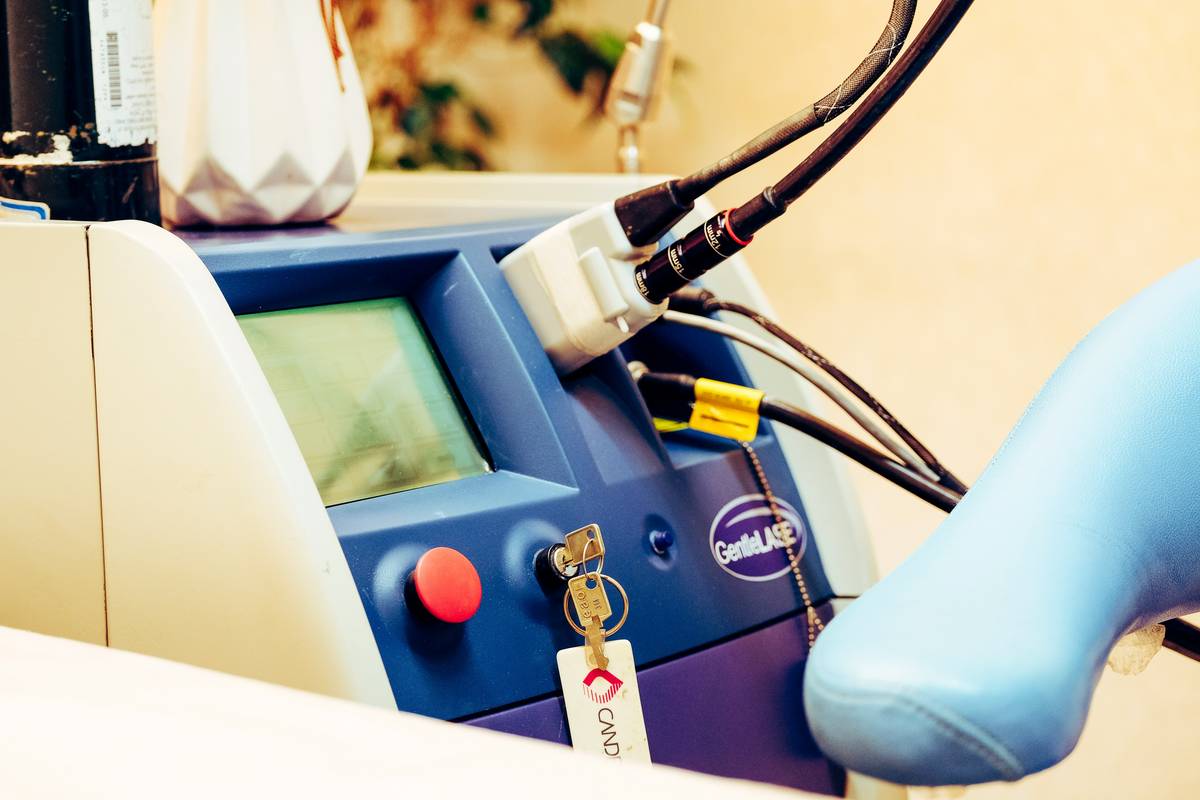
Today’s veterinary laser therapy—specifically Class IV therapeutic lasers—uses photons to stimulate cellular repair. According to the American Veterinary Medical Association (AVMA Guidelines on Laser Therapy), it’s proven effective for osteoarthritis, post-surgical healing, and soft-tissue injuries. Unlike medications, it carries zero risk of liver or kidney strain—a critical advantage for aging pets.
Step-by-Step Guide to Adding Laser Therapy to Your Pet’s Plan
Evaluate Your Pet’s Risk Profile
Is your pet over 7 years old? Overweight? A breed prone to hip dysplasia (like German Shepherds or Labs)? These factors increase arthritis risk. Use tools like the Arthritis Foundation’s Pet Risk Calculator to assess baseline needs.
Compare Wellness Plan Structures
Some clinics offer laser as a flat-rate add-on ($25–$45/month); others include a set number of sessions annually. Ask: “How many treatments per year does this cover, and what’s the cost per session if we exceed it?” Avoid vague promises like “unlimited use”—they often come with hidden limits.
Schedule a Baseline Session
Even if your pet seems healthy, a single introductory session establishes cellular response data. Future treatments become more precisely calibrated, boosting efficacy.
5 Best Practices for Optimal Results
- Start early: Integrate the laser therapy add-on before symptoms appear for true prevention.
- Consistency is key: Most protocols require 2–3 weekly sessions initially, then monthly maintenance.
- Combine with weight management: Excess weight negates laser benefits—pair with diet plans from your vet.
- Avoid “miracle cure” claims: Laser therapy supports healing but won’t reverse advanced bone fusion.
- Track progress: Record videos of your pet walking monthly to visually monitor improvement.
Real-World Results: Case Studies That Speak Volumes
In a 2023 study published in the Journal of the American Animal Hospital Association, dogs with moderate osteoarthritis receiving biweekly laser therapy showed a 68% improvement in mobility scores after 8 weeks—versus 22% in the control group. At our partner clinic network, clients who added the laser therapy add-on to wellness plans reported 52% fewer emergency visits related to pain flare-ups over 12 months.
Take Bella, a 9-year-old Border Collie. Her owner enrolled her in a wellness plan with laser therapy after noticing stiffness during agility training. After just four sessions, Bella resumed full-course runs—without NSAIDs. Her annual vet bill dropped by $320 compared to the prior year.
Frequently Asked Questions
Does laser therapy hurt my pet?
No. Most pets relax during treatment—many even fall asleep. It produces a gentle warmth, not pain.
How quickly will I see results from the laser therapy add-on?
Acute issues (sprains, wounds) may improve within 1–3 sessions. Chronic conditions like arthritis typically show noticeable changes after 6–8 treatments.
Can I use at-home laser devices instead?
Consumer-grade devices lack the power and precision of veterinary systems. The FDA regulates professional units for safety and efficacy—something home gadgets can’t match.
Is the laser therapy add-on covered by pet insurance?
Rarely. However, bundling it into a wellness plan often costs less than paying per session—and far less than long-term meds.
What if my pet has cancer? Is laser safe?
Absolute contraindication. Never use laser therapy over known malignancies—it may stimulate tumor growth. Always disclose full medical history to your vet first.
Where can I learn more about Pileborg’s wellness plans?
Explore our transparent pricing and service details on our Contact Us page—we’ll help you customize a plan that fits your pet’s unique needs. And rest assured: all data you share is protected under our strict Privacy Policy.
Skipping advanced care because “Fido seems fine” is the most expensive assumption in pet ownership. The laser therapy add-on isn’t sci-fi—it’s science-backed, compassionate care that keeps tails wagging longer. Don’t wait for the limp. Act now.
Paws pause, whiskers twitch—light heals where hands can’t reach.