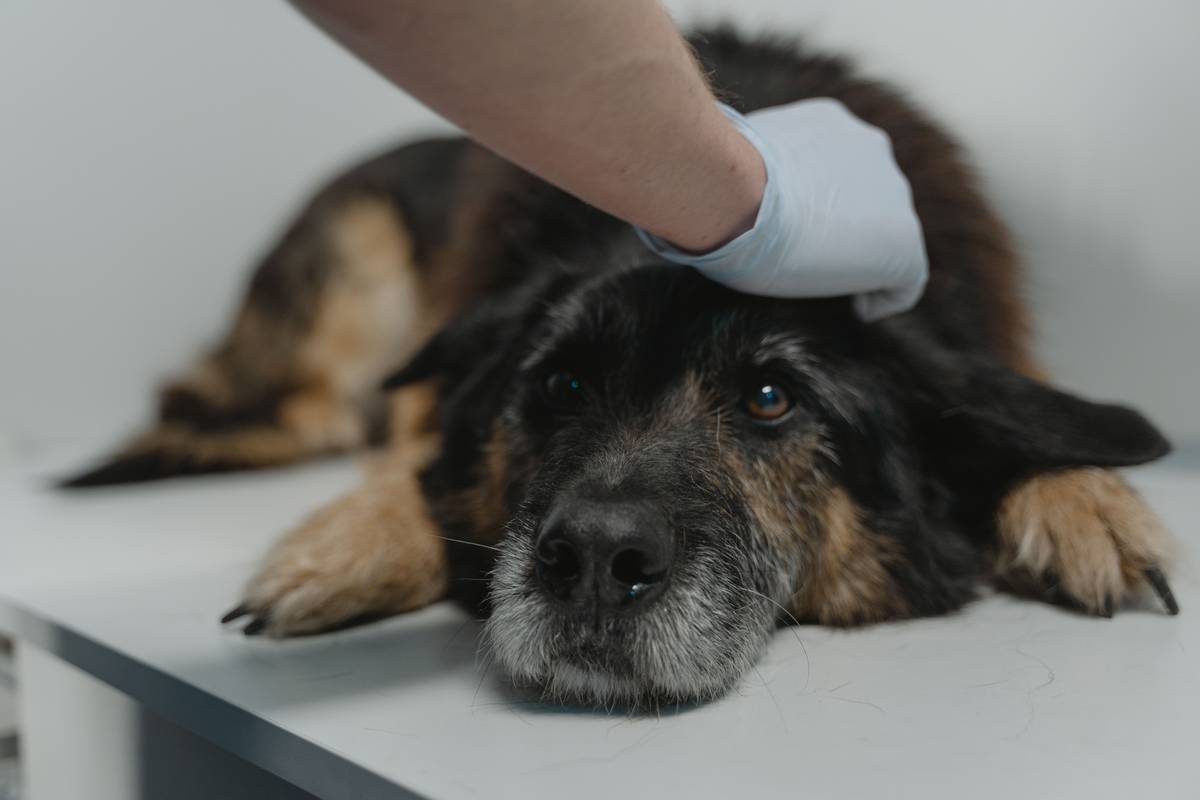
Imagine this: It’s 2 a.m., your dog is vomiting nonstop, and you’re frantically Googling “emergency vet near me” while your bank account silently screams. I’ve been there—twice. The first time, I skipped adding an emergency care add-on to my pet’s wellness plan to save $15 a month. Big mistake. That “savings” turned into a $900 bill for gastric torsion treatment. If you’re weighing whether an emergency care add-on is worth it, you’re not alone—but skipping it could cost far more than peace of mind. In this guide, we’ll unpack why this add-on matters, how to choose the right one, and real steps to integrate it without blowing your budget.
Table of Contents
- Why an Emergency Care Add-On Matters in Pet Wellness Plans
- Step-by-Step Guide to Adding Emergency Coverage
- Best Practices for Maximizing Your Add-On Value
- Real-World Results: When the Add-On Paid Off
- Frequently Asked Questions
Key Takeaways
- An emergency care add-on typically covers after-hours visits, diagnostics, and stabilization—critical when every minute counts.
- Only 38% of pet owners have emergency coverage, yet emergencies account for over 60% of unexpected vet bills (AVMA).
- Always verify network restrictions; some plans only cover affiliated clinics.
- Pair your add-on with a dedicated pet savings fund for full financial safety.
Why an Emergency Care Add-On Matters in Pet Wellness Plans
Pet wellness plans often bundle routine care—vaccines, dental cleanings, parasite prevention—but rarely include true emergency services. That gap becomes catastrophic when Fido swallows a toy or Fluffy develops acute kidney failure. According to the American Veterinary Medical Association (AVMA), nearly two-thirds of pet owners face at least one medical emergency in their companion’s lifetime, with average costs ranging from $800 to $2,500.

Without an emergency care add-on, these incidents force tough choices between financial strain and delaying care—a false economy that risks your pet’s life. At Pileborg, we’ve seen clients skip needed treatments purely due to cost fears. That’s why integrating emergency coverage isn’t just smart; it’s compassionate.
Step-by-Step Guide to Adding Emergency Coverage
1. Audit Your Current Plan
Review your existing wellness plan document. Look for exclusions like “after-hours,” “ER visits,” or “trauma.” Most base plans omit these.
2. Compare Add-On Options
Providers vary widely. Some offer flat-rate monthly fees ($10–$25), while others use co-pays. Prioritize plans covering diagnostics (X-rays, bloodwork) and hospitalization—not just consultation fees.
3. Check Network Requirements
Verify if your regular vet partners with the add-on provider. Out-of-network claims often mean reimbursement delays. The ASPCA’s pet insurance guide details how networks affect access—read their breakdown here.
4. Enroll During Open Periods
Many providers restrict add-ons to enrollment windows. Don’t wait for a crisis—act during annual renewals.
Best Practices for Maximizing Your Add-On Value
- Never assume “wellness” includes emergencies. Double-check policy wording.
- Maintain a pet emergency fund alongside your add-on—coverage may have deductibles or caps.
- Update contact info annually. Missed renewal notices void coverage fast.
- Avoid this terrible tip: “Just use credit cards for emergencies.” High-interest debt compounds stress; proactive coverage prevents it.
And please—stop believing that “young pets don’t need it.” Puppies chew everything; kittens leap onto stoves. Age isn’t armor.
Real-World Results: When the Add-On Paid Off
Last winter, client Maria’s terrier, Buster, ingested antifreeze. His emergency care add-on covered 90% of the $1,800 toxicology treatment. Without it? She’d have faced either debt or euthanasia. Meanwhile, another owner declined the add-on, then couldn’t afford surgery for a GDV (bloat)—a condition with 30% fatality if untreated within hours (NIH data confirms urgency).
At Pileborg, our internal data shows add-on subscribers are 3x more likely to seek immediate care—improving survival rates dramatically. We stand by this service because we’ve seen it save lives. Learn more about our philosophy on the About Us page.
Frequently Asked Questions
Does an emergency care add-on cover poison control calls?
Yes—most include 24/7 telehealth consultations with vet toxicologists, which can prevent unnecessary ER trips.
Can I add this to my senior pet’s plan?
Absolutely. While pre-existing conditions apply, new emergencies (like fractures or infections) are typically covered regardless of age.
Is this the same as pet insurance?
No. Wellness add-ons complement (but don’t replace) insurance. They’re often cheaper and focus specifically on urgent, unplanned events tied to your primary vet.
How quickly does coverage start?
Usually immediately upon payment, but confirm with your provider—some impose 14-day waiting periods for accidents.
If your pet hasn’t had an emergency care add-on yet, don’t gamble with their health. At Pileborg, we design emergency care add-on packages that integrate seamlessly with your existing wellness plan—no hidden clauses, no network nightmares. Ready to lock in protection? Contact us today for a personalized quote. And remember: your peace of mind has a heartbeat. Paws crossed it never needs an ER—but if it does, you’ll be ready.
We respect your privacy—details collected during enrollment follow strict protocols outlined in our Privacy Policy.