Losing a pet is gut-wrenching. You post flyers, check shelters, refresh social media hourly—only to find nothing. And if your pet never had ID? The odds plummet. Standard collars break. Tags fall off. But here’s the fix most vets won’t push unless you ask: a microchip implantation add-on. It’s permanent, painless, and often bundled with wellness plans for pennies more.
The Illusion of “Good Enough” Identification
Most pet parents think a collar with a name tag is sufficient. It’s not. A study from the American Veterinary Medical Association found that less than 20% of lost dogs with collars are reunited with owners—compared to over 52% for microchipped dogs. And cats? Even worse. Collars snag, slip, or get removed during fights or grooming. Microchips don’t care about fur mats or fence-jumping acrobatics.
Vets know this. Yet they rarely lead with it—because wellness plans sell on vaccines, deworming, and dental checks. Implantation feels like an afterthought. But when your cat bolts during a thunderstorm at 2 a.m., that “afterthought” becomes your lifeline.
How to Add microchip implantation add-on to Your Pet’s Wellness Plan
It’s simpler than you think—and cheaper than replacing a couch your stressed-out dog shredded while you searched for them.
Step 1: Confirm Your Provider Offers It as a Bundled Add-On
Not all clinics include microchipping in standard packages. Call ahead. Ask specifically: “Is microchip implantation offered as an add-on to wellness plans?” Some big chains charge $45–$60 standalone—but drop it to $15–$25 when layered onto annual care.
Step 2: Schedule During a Routine Visit
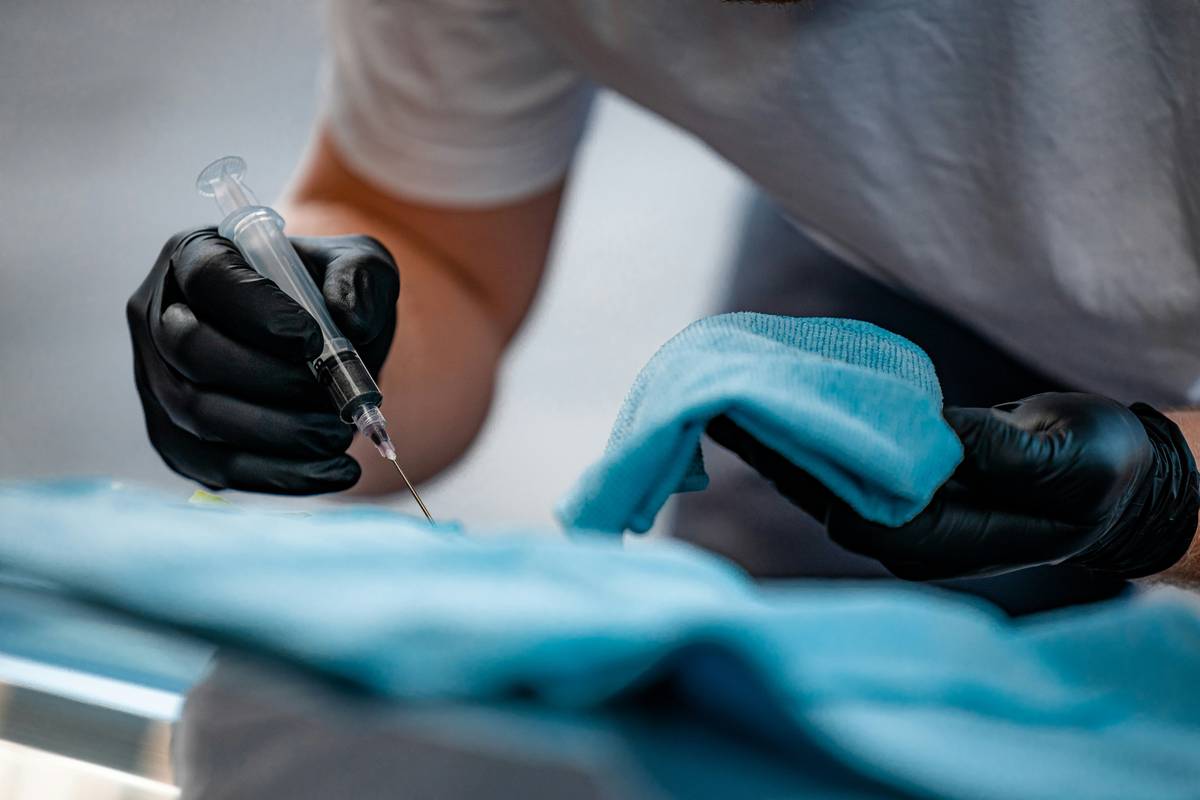
No extra trip needed. The chip—about the size of a grain of rice—is injected between the shoulder blades using a slightly larger needle. Takes seconds. No anesthesia. Most pets flinch less than during a vaccine shot. Pro tip: Pair it with spay/neuter day. Less handling stress overall.
Step 3: Register (and Re-Register) the Chip
A microchip without registration is just inert metal. You must link it to your current contact info via the manufacturer’s database—like HomeAgain, AKC Reunite, or 24PetWatch. And if you move? Update it. Too many chips go unused because owners forget this step.
| Option | Upfront Cost | Bundled with Wellness Plan? | Recovery Time |
|---|---|---|---|
| Standalone microchip | $45–$60 | No | None |
| microchip implantation add-on | $15–$25 | Yes | None |
| Tattoo ID (old school) | $30–$80 | Rarely | 3–7 days |
| GPS collar | $80–$200 + monthly fee | No | N/A |
The Industry Secret: Chipping Is a Loss Leader—Use It
Here’s what few admit: many clinics treat microchipping as a loss leader. They’d rather lose $5 on the chip than lose you as a client when tragedy strikes. Because once your pet vanishes and the shelter scans a blank chip—or no chip at all—you’ll switch vets out of frustration. Smart practices bundle it early to build trust, not profit. So lean into that. Ask for the add-on before they do. It signals you’re a proactive owner—and vets love that.
And consider this: shelters scan every incoming animal within minutes. If your pet’s chipped and registered, you could get a call before you’ve even finished drafting your “Lost Dog” Facebook post.
Frequently Asked Questions
Does microchip implantation hurt my pet?
No more than a vaccination. The needle is slightly larger, but the procedure takes seconds. Most pets don’t react at all—seriously.
Can the microchip move or stop working?
Modern chips rarely migrate. Even if they shift slightly under the skin, scanners still detect them. Battery-free design means they last 25+ years—longer than your pet’s lifespan.
Is a GPS tracker better than a microchip?
No. GPS collars require charging, can break, and cost monthly fees. Microchips work forever, need zero maintenance, and are universally scanned by shelters and vets. Use both if you want—but never skip the chip.