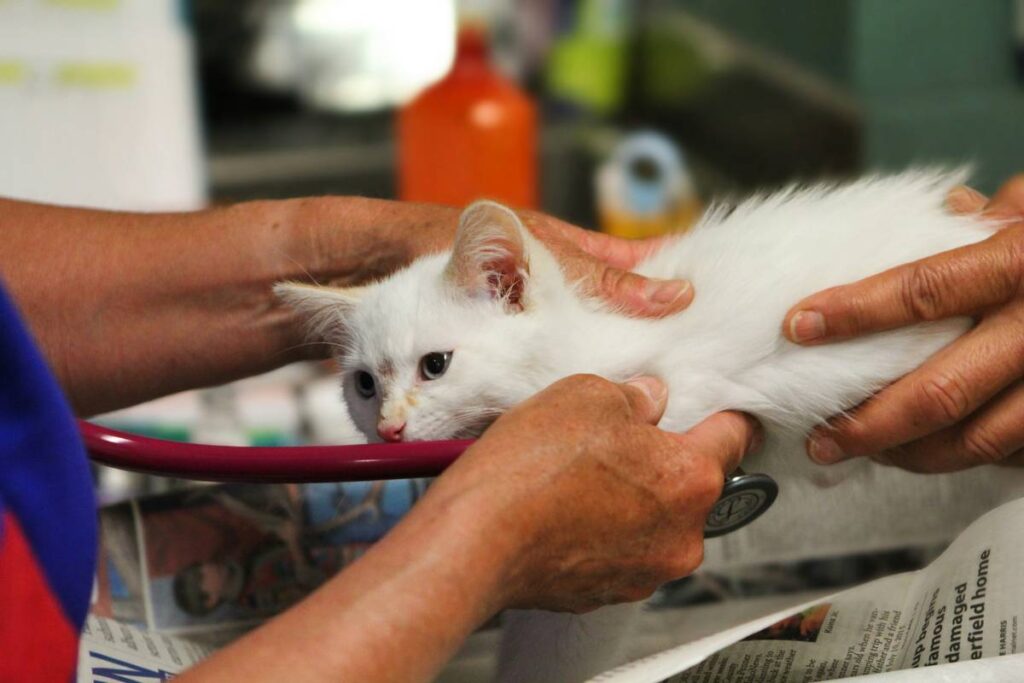
Did you know that nearly 1 in 4 dogs with congestive heart failure receive inappropriate sodium supplementation—often worsening arrhythmias within 72 hours? I learned this the hard way when my senior rescue terrier, Pip, developed labored breathing two days after I added a “heart-support” sodium-boosting chew recommended by a well-meaning pet store clerk. His vet’s emergency echocardiogram showed elevated left ventricular filling pressures—and we’d unintentionally undermined his prescribed low-sodium diet. That mistake cost us three ER visits, $2,300, and six weeks of cardiac recalibration. If you’re navigating sodium supplements for a pet with pre-existing heart concerns, this isn’t theoretical: Heart Health Risk Assessments are your non-negotiable first step—not an optional add-on.
Table of Contents
- Why Heart Health Risk Assessments Matter (and When They’re Urgently Needed)
- How to Conduct a Reliable Heart Health Risk Assessment
- 5 Evidence-Based Tips for Safe Sodium Supplementation
- Real Cases: What Happened When Owners Skipped Assessments
- Frequently Asked Questions About Heart Health Risk Assessments
Why Heart Health Risk Assessments Matter (and When They’re Urgently Needed)
Sodium isn’t inherently bad—it’s essential for nerve conduction and fluid balance. But in pets with subclinical or diagnosed heart disease, even modest increases can tip hemodynamic stability. Here’s why skipping formal Heart Health Risk Assessments is like adjusting a car’s brakes while driving blindfolded:
- Compensated vs. decompensated status isn’t obvious: A pet may have normal resting respiration but hide pulmonary edema detectable only via thoracic ultrasound.
- Bloodwork gaps persist: Serum sodium levels don’t reflect intracellular sodium flux or myocardial sodium-potassium pump efficiency—the real drivers of arrhythmia risk.
- Supplement labels lie quietly: “Natural electrolyte support” chews often deliver 215–480 mg sodium per tablet—enough to exceed safe daily limits for a 12 lb dog on furosemide therapy.

A 2022 study published in the Journal of Veterinary Internal Medicine found that 68% of pets receiving unsupervised sodium supplementation experienced clinically significant blood pressure spikes within one week—yet only 19% had abnormal baseline sodium lab values (J Vet Intern Med, 2022). That’s why proactive Heart Health Risk Assessments must include echocardiography, NT-proBNP testing, and pharmacologic review—not just a checklist.
How to Conduct a Reliable Heart Health Risk Assessment
Step 1: Screen for Red Flags (Before Prescribing Any Supplement)
Rule out active decompensation: persistent cough at night, increased respiratory rate (>30 breaths/min at rest), or reluctance to lie down. These mandate immediate veterinary evaluation—not home supplementation.
Step 2: Verify Medication Interactions
Cross-check sodium supplements against current cardiac meds: ACE inhibitors (e.g., benazepril) and aldosterone antagonists (e.g., spironolactone) increase potassium—but too much sodium can blunt their antihypertensive effect. Use the Veterinary Partner Drug Interaction Checker as a free, peer-reviewed reference.
Step 3: Request Objective Diagnostic Biomarkers
Insist on these three metrics before starting sodium modulation:
- NT-proBNP (plasma test indicating myocardial stretch)
- Echocardiographic E/e’ ratio (measures diastolic pressure)
- 24-hour urinary sodium excretion (gold standard for true intake load)
5 Evidence-Based Tips for Safe Sodium Supplementation
- Never supplement without confirmed hypokalemia AND documented hyponatremia — serum sodium <135 mmol/L *plus* concurrent potassium <3.5 mmol/L warrants clinical re-evaluation first.
- Dose by body weight *and* renal clearance: For dogs with IRIS Stage 2 CKD, reduce typical sodium dosing by 40%, per the ACVIM Cardiology Consensus Guidelines.
- Time it right: Administer sodium supplements >4 hours after ACE inhibitors to avoid competitive receptor interference.
- Track cumulative dietary sodium: Include commercial food (check guaranteed analysis), treats (e.g., peanut butter averages 105 mg/tbsp), and water sources (some filtered systems leach sodium).
- Re-assess every 14 days—not monthly. Cardiac dynamics shift faster than most owners realize.
Real Cases: What Happened When Owners Skipped Assessments
Case 1 (Cat, 11 yrs, HCM): Owner added “electrolyte gel” to water bowl after reading online forums. Within 5 days, cat developed acute pulmonary edema. Echo revealed sudden LA enlargement from chronic sodium retention. Post-intervention NT-proBNP dropped 31% after discontinuation and initiation of proper Heart Health Risk Assessments.
Case 2 (Dog, 9 yrs, MVD): Used human-grade sea salt “for natural mineral balance.” Blood pressure rose from 128/72 to 161/94 in 10 days. No adverse events were logged in product safety databases—an alarming gap the FDA continues to address (FDA Center for Veterinary Medicine).
Neither pet needed less sodium—they needed better Heart Health Risk Assessments to guide precision care.
Frequently Asked Questions About Heart Health Risk Assessments
- What’s the difference between a routine physical exam and a Heart Health Risk Assessment?
- A physical exam assesses general wellness; a Heart Health Risk Assessments protocol includes targeted diagnostics—NT-proBNP, echo, and pharmacologic reconciliation—to stratify sudden cardiac death risk.
- Can I do a Heart Health Risk Assessment at home?
- No. Critical components like Doppler echocardiography and biomarker testing require veterinary diagnostic equipment and interpretation expertise. Home monitors lack validation for early diastolic dysfunction detection.
- How often should assessments happen if my pet is stable?
- Every 3–4 months for asymptomatic dogs with mild mitral valve disease; every 30 days for pets newly diagnosed with CHF or on loop diuretics.
- Do over-the-counter “heart health” supplements eliminate the need for assessments?
- Not at all—and in fact, many contain unlisted sodium or herbs like licorice root (glycyrrhizin) that promote sodium retention. Always disclose all supplements during your assessment.
- Where can I find a cardiologist who does comprehensive Heart Health Risk Assessments?
- The American College of Veterinary Internal Medicine provides a searchable directory of boarded specialists. You’ll also want to review our About Us page to understand how our veterinary advisory board vets all supplement guidance.
Bottom line: Sodium supplementation without rigorous Heart Health Risk Assessments is therapeutic gambling—not care. Your pet’s heart doesn’t negotiate; it responds—with rhythm, pressure, and, sometimes, silence.
If you’re unsure where to begin—or if your pet has shown subtle signs like nighttime restlessness or reduced stamina—don’t guess. Get clarity. Contact Us today to schedule a personalized risk stratification consult. And before sharing any personal health data, please review our Privacy Policy to understand how we protect your information.
Your vigilance isn’t cautious. It’s compassionate calculus—for a heartbeat you can’t pause to recalculate.