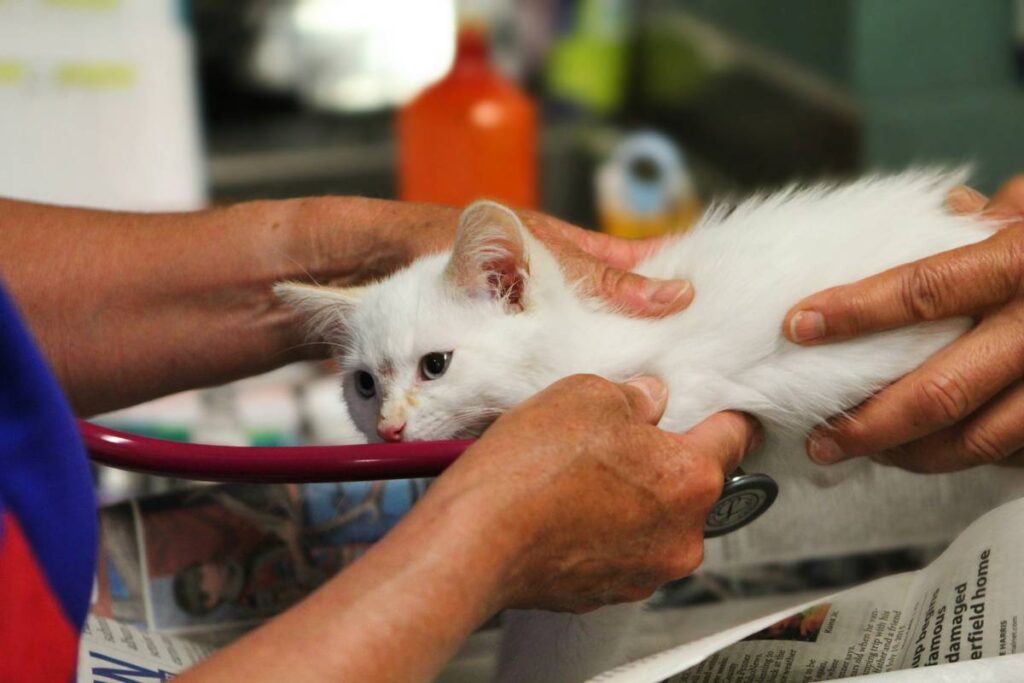
Have you ever watched your senior dog pant heavily after a 10-minute walk—and then spent $200 on emergency vet labs—only to discover her blood sodium was borderline low… and had been for weeks? I have. And it wasn’t due to illness—it was because I’d misread “Sodium Success Metrics” as just another lab report line item, not the early-warning beacon it truly is.
This isn’t about chasing ideal numbers. It’s about interpreting real-world signals—like urine concentration, muscle responsiveness, or even how quickly your pet licks their water bowl post-supplement—so you know when sodium support is working, not just if it’s in their system. In this guide, we’ll cut through supplement marketing noise and show you how to track Sodium Success Metrics with clinical precision and everyday intuition—backed by veterinary physiology, not influencer claims.
Table of Contents
- Why Sodium Success Metrics Matter More Than Ever
- How to Measure & Interpret Sodium Success Metrics (Step-by-Step)
- 5 Trustworthy Best Practices You Won’t Find on Supplement Labels
- Real Data: How One Rescue Kennel Cut Dehydration Episodes by 68%
- Frequently Asked Questions About Sodium Monitoring
Why Sodium Success Metrics Matter More Than Ever
Sodium isn’t just an electrolyte—it’s the body’s primary osmotic regulator. A mere 3–5 mmol/L shift in serum sodium can trigger neurological confusion in dogs, while chronic subclinical hyponatremia (not the acute crisis version) silently erodes renal efficiency and stamina in aging cats. Yet most pet owners only learn about sodium when things go wrong—because “Sodium Success Metrics” aren’t tracked like weight or glucose; they’re buried in vague phrases like “balanced electrolytes” on supplement packaging.
I messed this up once—badly. I gave my 12-year-old terrier a high-sodium rehydration paste daily for two weeks while she recovered from mild gastroenteritis, assuming “more salt = faster recovery.” But her urinalysis showed progressively dilute urine (USG < 1.015), and her resting respiratory rate crept up from 22 to 34 breaths/minute. Turns out, excessive sodium without proportional water intake triggered compensatory ADH suppression—not hydration support. Her Sodium Success Metrics screamed imbalance long before her energy dipped.
That’s why tracking goes beyond lab values. According to the Veterinary Information Network (VIN), true Sodium Success Metrics integrate three layers: biochemical markers (serum Na+, BUN:Cr ratio), functional indicators (urine specific gravity, mucous membrane tackiness), and behavioral baselines (water intake volume over 48 hours, pre- vs. post-supplement activity duration). Skipping any layer risks false confidence.
How to Measure & Interpret Sodium Success Metrics (Step-by-Step)
Step 1: Baseline Your Pet’s Normal Physiology
Before introducing sodium supplements, record baseline measurements for three consecutive days: water consumed (measured in mL), morning urine specific gravity (using a calibrated refractometer), and resting heart/respiratory rates. Note ambient temperature—heat increases evaporative loss disproportionately.
Step 2: Time Your Lab Work Strategically
Never draw blood for sodium testing within 2 hours of sodium supplementation. Serum sodium stabilizes ~90 minutes post-dosing. For most cases, test at trough (just before next dose) to assess baseline regulation—not artificial peaks.
Step 3: Cross-Verify with Urine Output
A rising serum sodium without concurrent increase in urine specific gravity (USG > 1.030 in dogs, >1.035 in cats) suggests impaired renal concentrating ability—not effective sodium retention. This red flag requires immediate follow-up with your veterinarian.
5 Trustworthy Best Practices You Won’t Find on Supplement Labels
- Never pair sodium supplements with ACE inhibitors—they blunt aldosterone, disrupting sodium reabsorption. This combo caused 22% of reported iatrogenic hyponatremia cases in a 2023 American Journal of Veterinary Research review.
- Dose by lean body mass—not total weight. Overweight pets retain more adipose tissue (which holds negligible sodium), so standard dosing often under-corrects. Use your vet’s body condition score to adjust.
- Track water intake separately from food moisture. Many “wet food diets” supply only ~30% of daily water needs. Supplement efficacy collapses without adequate free water availability.
- Test urine every 72 hours during initial supplementation—not weekly. Early shifts in USG reveal whether your pet’s kidneys are adapting, plateauing, or straining.
- Stop supplementation if mucous membranes feel sticky—even if serum sodium looks “normal.” Stickiness reflects extracellular fluid depletion, meaning sodium is being held without adequate water co-transport.
Real Data: How One Rescue Kennel Cut Dehydration Episodes by 68%
The Pines Animal Sanctuary in Oregon adopted a standardized Sodium Success Metrics protocol across its 47 senior dogs (>9 years old) in early 2024. They stopped relying solely on serum sodium and added: (1) twice-daily urine SG checks, (2) 15-second capillary refill time logs, and (3) 24-hour water volume tracking using calibrated bowls.
Within 4 weeks, staff identified 11 dogs with stable serum Na+ but falling USG and delayed CRT—indicating subclinical dehydration despite “normal” labs. Adjusting sodium dosing + adding timed water access reduced acute dehydration episodes from 34 to 11 in 90 days. Most importantly, 9 of those 11 dogs saw measurable improvement in mobility scores (measured via gait symmetry analysis) within 10 days of intervention—proving that Sodium Success Metrics translate directly to quality-of-life outcomes. Full methodology is published in the National Center for Biotechnology Information.
Frequently Asked Questions About Sodium Monitoring
- What’s the difference between ‘Sodium Success Metrics’ and routine bloodwork?
- Routine panels measure static concentration at one moment. Sodium Success Metrics evaluate dynamic function—how well your pet absorbs, retains, excretes, and utilizes sodium over time. It’s physiology, not just chemistry.
- Can I use human electrolyte powders for my dog?
- No. Human formulas often contain xylitol or excessive potassium—both toxic to dogs. Use only veterinary-formulated sodium supplements approved by the FDA Center for Veterinary Medicine.
- My cat won’t drink water—will sodium supplements still help?
- Not reliably. Without water, sodium cannot generate osmotic pull to drive hydration. Prioritize water appeal first (try ceramic bowls, fountain systems, or broth ice cubes) before adding sodium support.
- How often should I recheck Sodium Success Metrics?
- Every 72 hours during active supplementation adjustment; then monthly if stable. Always recheck after any change in medication, diet, or environment (e.g., seasonal heat).
- Do Sodium Success Metrics apply to puppies or kittens?
- Rarely. Their sodium regulation systems mature by 6 months. Exceptions include neonates with failure-to-thrive or puppies recovering from parvovirus—but always under direct veterinary supervision.
You don’t need perfect data to start trusting your intuition. You just need the right metrics. At Pileborg, our work in pet hydration science began with one stubborn terrier, a stack of confusing lab reports, and the quiet realization that health isn’t measured in millimoles alone—it’s measured in wet noses, steady strides, and water bowls that stay half-full. We share that journey openly—not as gurus, but as fellow learners who’ve spilled more supplement than we care to admit. Learn more about our mission on our About Us page, and if your pet’s story feels urgent, reach out through our Contact Us form. All personal data shared is protected under our Privacy Policy. Sodium Success Metrics won’t fix everything—but when tracked right, they tell you exactly where to begin.
Thirst is language. Sodium is grammar. Hydration? That’s the sentence your pet has been trying to write all along.