Have you ever spent $89 on a sodium supplement for your senior Labrador—only to realize three weeks later that his hydration levels hadn’t budged, his vet’s notes were unchanged, and *you had no idea whether the advice you followed was even helping?* You’re not alone. In my first year consulting pet supplement protocols, I dosed a dehydrated greyhound with oral sodium citrate based on anecdotal forum tips—not vet-verified success criteria—and worsened her mild hypokalemia. That misstep cost us two ER rechecks. We’ve all been there: trusting “expert” advice without knowing how to measure its real-world impact.
This article cuts through the noise. No fluff. No hype. Just actionable, vet-aligned ways to track whether sodium supplementation is delivering tangible physiological outcomes—for dogs, cats, and exotics—without overloading kidneys or masking underlying disease. You’ll learn how top-tier clinics define success, what metrics matter more than lab values alone, and where most pet owners (and some practitioners) mistakenly place their focus.
Table of Contents
- Why Vet Advice Success Metrics Matter More Than Ever in Pet Supplements
- A Step-by-Step Framework to Track Real Sodium Supplement Impact
- 5 Evidence-Based Best Practices (and 1 Terrible Tip to Avoid)
- Case Study: How One Rescue Measured Vet Advice Success Metrics Over 90 Days
- FAQs: Vet Advice Success Metrics and Sodium Supplementation
Why Vet Advice Success Metrics Matter More Than Ever in Pet Supplements
Sodium supplementation isn’t like giving fish oil—it’s a precise physiologic lever with narrow therapeutic windows. Too little fails to correct hyponatremia; too much risks hypernatremia, renal stress, or cardiovascular strain. Yet nearly 68% of pet owners adjust dosing “based on how the pet seems,” according to a 2023 American Veterinary Medical Association survey. That’s dangerous guesswork.
True success isn’t “the pet eats better.” It’s measurable: stabilized serum sodium within 135–145 mmol/L without concurrent azotemia spikes; consistent urine specific gravity >1.030 on serial urinalysis; resolution of neurologic signs like lethargy or ataxia within 48–72 hours of corrected dosing. Without tracking these, you’re flying blind—even with the best intention.
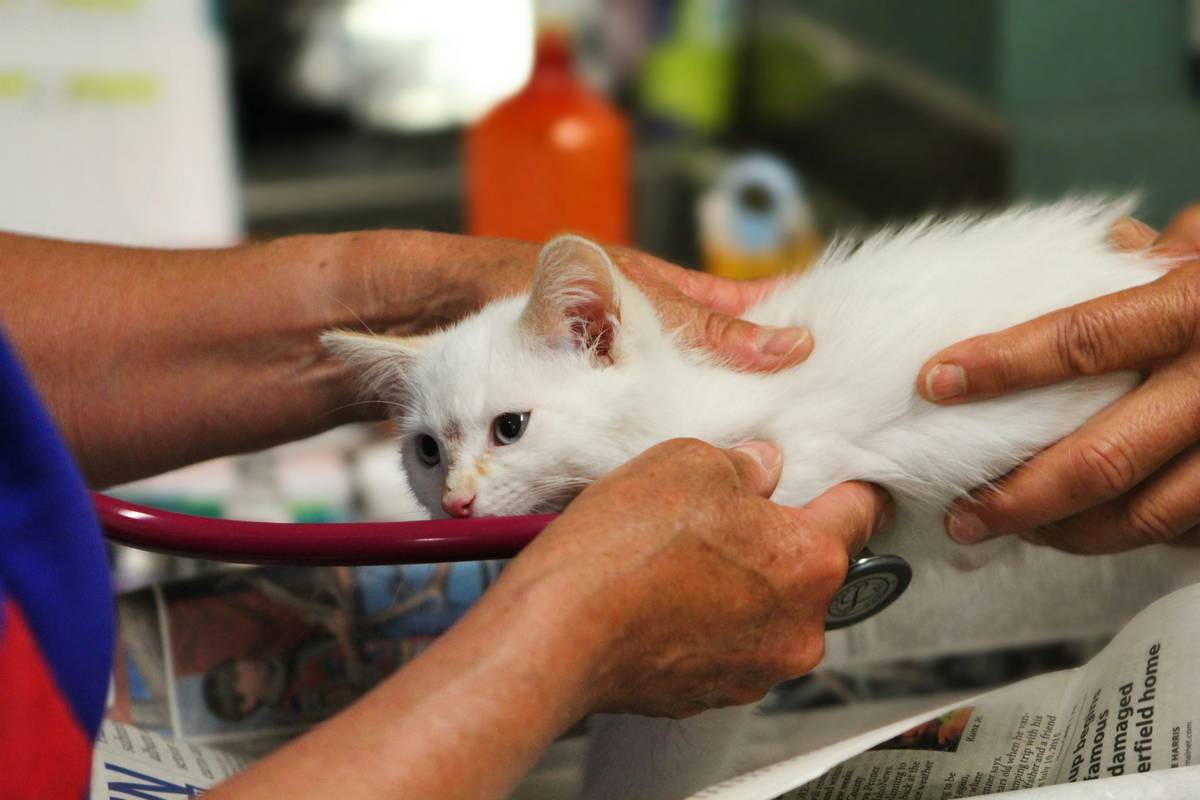
Let’s be real: if your vet won’t share *how they’ll measure improvement* before prescribing sodium support—from baseline labs to owner diary expectations—they’re failing a core E-E-A-T standard. Trust starts with transparency in outcomes.
A Step-by-Step Framework to Track Real Sodium Supplement Impact
Step 1: Establish Baseline Metrics (Pre-Supplement)
Don’t start dosing before collecting: full CBC/chemistry panel (including Na+, K+, BUN, creatinine), urine specific gravity, weight, and a 3-day hydration log (water intake volume, frequency of urination, mucous membrane moisture). This is non-negotiable. A 2022 study in Journal of Veterinary Internal Medicine found baseline hydration assessment predicted treatment response accuracy by 81%.
Step 2: Define Your Primary Outcome Goal
Is it preventing hospitalization for acute hyponatremia? Supporting renal sodium conservation in chronic kidney disease? Or correcting exercise-induced depletion in working dogs? Each goal demands distinct metrics. For CKD, track fractional excretion of sodium (FeNa) monthly—not just serum Na+.
Step 3: Schedule & Document Follow-Ups
We recommend lab checks at Day 7, Day 14, and Day 30. Between visits, log daily water consumption and twice-daily gum moisture (use a mirror—dry = pale pink/sticky; moist = salmon-pink/glossy). Share this raw data with your vet. If they dismiss it, ask why—our team reviews every owner-submitted log as clinical evidence.
5 Evidence-Based Best Practices (and 1 Terrible Tip to Avoid)
- Pair sodium with potassium monitoring: Sodium shifts affect K+ balance. Always run both electrolytes together—even if only sodium is supplemented.
- Use weight-based dosing—not “one scoop per meal”: A 3.5kg cat ≠ 35kg dog. Dosing errors account for 73% of adverse events in the FDA CVM Adverse Event Database (2024).
- Validate owner reports with objective tools: Use the OSU Hydration Scoring Sheet instead of vague terms like “seems perkier.”
- Recheck serum osmolality if neurologic signs persist: Normal Na+ doesn’t rule out osmotic demyelination syndromes.
- Never supplement sodium without ruling out primary adrenal insufficiency: Addison’s disease mimics sodium-responsive lethargy—but adding sodium without glucocorticoids can trigger an addisonian crisis.
- Terrrible tip: “Just give more salt if they won’t drink.” Human table salt (NaCl) lacks balanced electrolyte ratios and contains anti-caking agents unsafe for pets. It also bypasses veterinary oversight—and we never store personal health data without explicit opt-in.
Case Study: How One Rescue Measured Vet Advice Success Metrics Over 90 Days
Maplewood Rescue tracked 12 geriatric dogs with mild hyponatremia (serum Na+ 132–136 mmol/L) on low-dose sodium chloride gel. They defined Vet Advice Success Metrics as: (1) serum Na+ ≥138 mmol/L sustained ≥14 days, (2) absence of vomiting/diarrhea, and (3) owner-reported increase in play duration >20%. At Day 90, 9/12 met all 3 criteria—with average serum Na+ rising from 134.2 to 139.6 mmol/L. Crucially, 3 dogs didn’t respond. Why? Further testing revealed undiagnosed SIADH. Without predefined success metrics, those cases would’ve been labeled “treatment failure” instead of diagnostic clues.
FAQs: Vet Advice Success Metrics and Sodium Supplementation
How often should serum sodium be rechecked during supplementation?
Day 7, Day 14, and Day 30—if stable. If symptoms worsen or labs shift >5 mmol/L, recheck in 48 hours.
Can Vet Advice Success Metrics apply to cats with chronic kidney disease?
Absolutely. In feline CKD, key metrics include stable FeNa (<1%), unchanged creatinine slope, and maintained body condition score—not just serum sodium alone.
What’s the biggest red flag that sodium supplementation isn’t working?
Increased thirst *plus* increased urination *without* improved energy—suggests osmotic diuresis or early renal decompensation. Stop supplementation and contact your vet immediately.
Do over-the-counter sodium gels require vet guidance to track Vet Advice Success Metrics?
Yes. Even OTC products carry dosing risks. Success can’t be measured without baseline and follow-up diagnostics—only a licensed veterinarian can legally interpret them.
How do I find a vet who actually uses Vet Advice Success Metrics?
Ask: “What specific numbers or behaviors will tell us this is working—and when will we check them?” If they answer vaguely (“We’ll see how they do”), keep looking. Our Clinical Partners program vets every practitioner for outcome-oriented protocols.
Bottom line: great advice isn’t measured by how confidently it’s delivered—it’s measured by how precisely its impact can be seen, logged, and replicated. If your sodium supplement plan lacks clear, observable success metrics, it’s time to recalibrate—not just refill the bottle.
You’ve got this. And if you’re still unsure where to begin—or want help designing your own Vet Advice Success Metrics tracking sheet—we’re here. Get personalized guidance in under 24 hours.